

Ageing, nourishment, and what really seems to matter.
Ageing is something we all move through, often without thinking about it too much — until something starts to shift.
Energy feels a little different. Recovery takes longer. Things that used to feel easy, don’t in quite the same way.
And when that happens, it’s very easy to look for something to “fix”.
But more often, what I see is that the foundations simply need a bit more support.
And nutrition is a big part of that.
Coming back to the foundations.
When we think about ageing well, it’s easy to focus on things like skincare or specific exercise routines.
But underneath that, there’s something more steady:
how we’re nourishing ourselves day to day.
Our needs do change over time.
Not dramatically, but enough to notice.
For example, protein becomes more important as we get older — not in an extreme way, but simply to help maintain muscle and strength.
Bone health also becomes more relevant, so things like calcium and vitamin D start to matter more.
And even something as simple as hydration can be overlooked.
Many women I speak to aren’t necessarily drinking enough — not intentionally, just because life is busy and the signals aren’t always as clear.

Keeping things simple (and realistic)
What tends to work best isn’t a complete overhaul.
It’s small, consistent shifts.
Things like:
– choosing mostly whole, minimally processed foods
– including some form of protein at meals
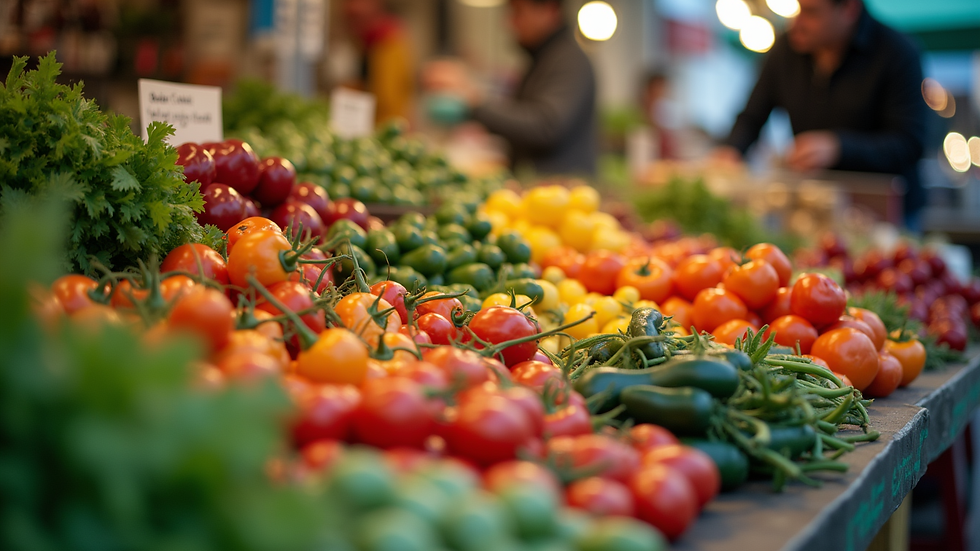
– adding colour and variety through vegetables
– incorporating healthy fats like olive oil, nuts or seeds.
Not perfectly. Not all at once.
Just gradually.
Because that’s what tends to last.
These steps are not about restriction but about creating a nourishing environment for your body to thrive.
The role of plants (and why they matter)
There’s also a lot of interest at the moment in antioxidants and plant compounds — and for good reason.
These naturally occurring substances seem to play a role in protecting the body over time, particularly in relation to inflammation and cellular health.
In practice, this doesn’t need to be complicated.
It often looks like:
- eating a range of colourful fruits and vegetables
- using herbs and spices in everyday cooking.
Simple things, done regularly.
Gut health as part of the picture
Gut health is another area that becomes increasingly relevant.
Not in a trend-led way, but in a very practical sense.
How we digest food, how we absorb nutrients, and even how we feel day to day are all connected here.
Including fermented foods, fibre, and a variety of plant foods can support this — but again, it’s not about doing everything.
It’s about noticing what works for your body.
Looking at the bigger picture
Of course, nutrition doesn’t sit on its own.
It’s part of a wider rhythm that includes:
– movement– sleep– stress– connection
All of these influence each other.
And often, it’s the combination of small shifts across these areas that makes the biggest difference over time.
A different way to approach ageing
What I come back to, again and again, is this:
Ageing isn’t something to fight.
It’s something to support.
And nutrition can be a quiet, steady way of doing that.
Not through restriction or pressure.
But through small choices that help you feel a bit more supported in your body.
Over time, that really does add up.
Final thought
You don’t need to do everything.
You don’t need the perfect routine.
Just a few consistent foundations —and a bit of attention to what your body might be asking for.
That’s often enough.


Comments